
Article: Best Compression Socks for Nurses on 12-Hour Shifts

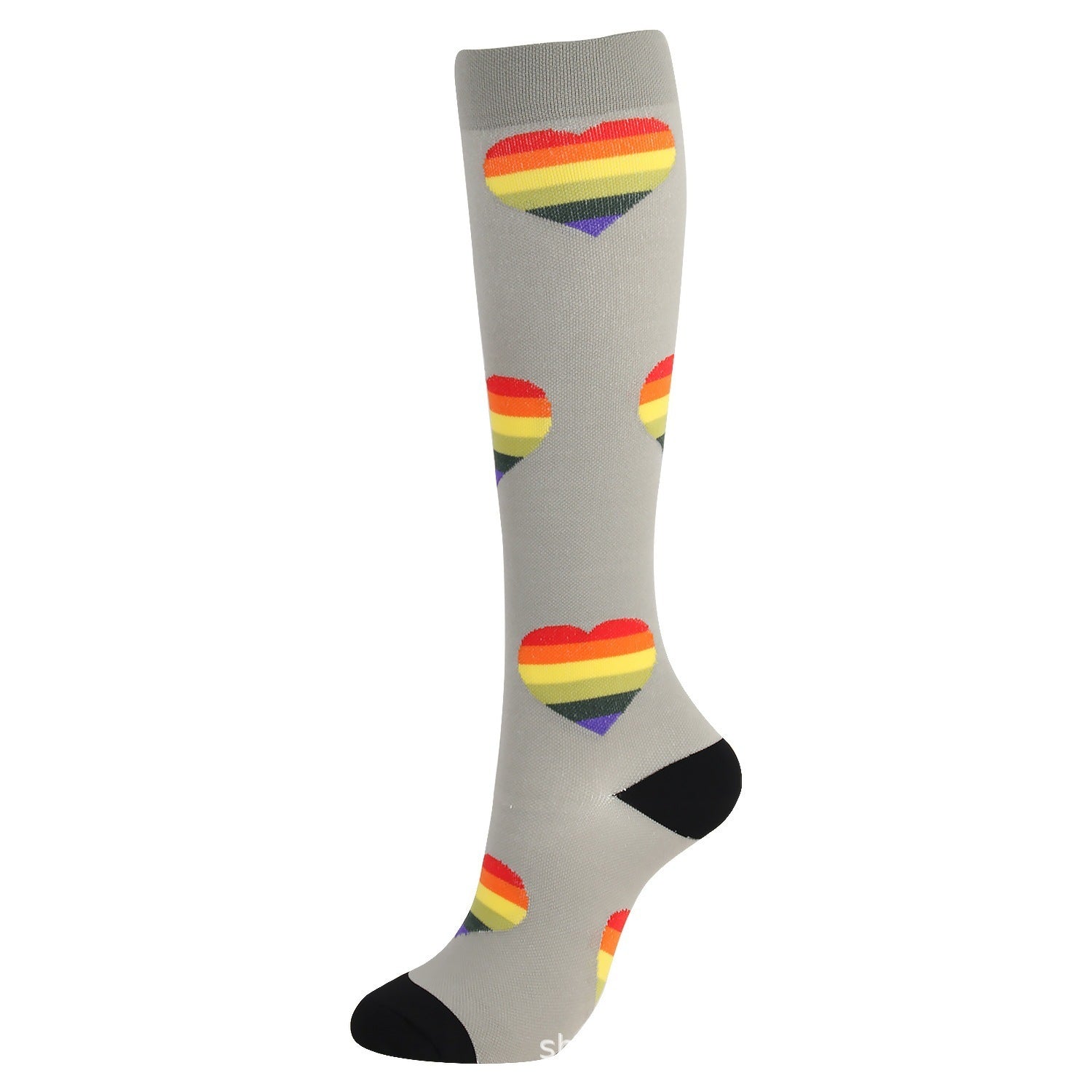
Best Compression Socks for Nurses on 12-Hour Shifts
Introduction: Why Compression Socks Are Essential for Nurses
Nurses are no strangers to long hours on their feet. A standard 12-hour shift often means standing, walking, and moving constantly with little time to sit down. While the mind stays focused on patient care, the body—especially the legs—takes a beating. Fatigue, swelling, varicose veins, and even long-term circulatory issues can develop from the strain. That’s where compression socks come in.
The best compression socks for nurses on 12-hour shifts are more than a comfort accessory; they’re a vital tool for protecting health, enhancing endurance, and ensuring that nurses can perform at their best without sacrificing well-being. This blog explores everything you need to know: why compression socks matter, what to look for, and which options stand out as the best choices for busy nurses.
The Science Behind Compression Socks
How Compression Works
Compression socks apply gentle, graduated pressure to the legs, meaning the pressure is strongest at the ankles and gradually decreases as it moves up toward the knee. This design encourages blood to flow upward toward the heart instead of pooling in the lower legs.
For nurses who rarely get breaks, this can make a world of difference. Enhanced circulation reduces swelling (edema), prevents the heavy-leg sensation, and lowers the risk of developing varicose veins or deep vein thrombosis (DVT).
Why Nurses Specifically Benefit
Unlike office workers, nurses spend nearly all their working hours upright, often moving quickly across hospital floors. The repetitive standing and walking add constant strain. Wearing compression socks during a 12-hour shift helps combat fatigue, stabilizes muscles, and provides a noticeable boost in energy by the end of the day.
What to Look for in the Best Compression Socks for Nurses on 12-Hour Shifts
Compression Level
The most common levels are:
-
15–20 mmHg: Light compression, ideal for daily wear and mild swelling.
-
20–30 mmHg: Moderate compression, recommended for nurses who experience significant swelling or discomfort.
-
30–40 mmHg: Firm compression, typically prescribed for medical conditions and should be used under a doctor’s advice.
For most nurses, 15–20 mmHg or 20–30 mmHg hits the sweet spot.
Fabric and Breathability
Long shifts mean socks need to hold up without trapping sweat. Look for blends with nylon, spandex, and moisture-wicking fibers. High-quality materials prevent odor, wick away sweat, and maintain elasticity even after multiple washes.
Fit and Comfort
A good pair shouldn’t dig into the skin or slide down during a shift. Features like reinforced heels, cushioned soles, and seamless toes add comfort, especially for those who suffer from blisters or hotspots after long hours.
Durability
Cheap compression socks might feel fine at first but lose elasticity quickly. The best compression socks for nurses on 12-hour shifts are designed to last through repeated washes while maintaining their supportive pressure.
Top Recommendations: Best Compression Socks for Nurses
1. Physix Gear Sport Compression Socks
Physix Gear Sport has become a favorite among healthcare professionals. Known for their balance of comfort and durability, these socks provide 20–30 mmHg compression and are crafted from double-stitched fabric for longevity. Nurses report that they reduce swelling while staying snug without being overly tight.
2. Charmking Compression Socks
Charmking offers affordability without skimping on performance. Their socks often come in multipacks, perfect for nurses who want a fresh pair for every shift. With 15–20 mmHg compression and a wide range of fun colors and patterns, they combine function with a bit of personality.
3. Sockwell Circulator Compression Socks
Sockwell’s merino wool blend makes these stand out for breathability and odor control. They deliver 15–20 mmHg compression and are especially good for nurses who deal with sweaty feet. Plus, they’re eco-friendly, using sustainable materials.
4. CEP Compression Socks
Designed originally for athletes, CEP socks bring advanced technology to the nursing world. With 20–30 mmHg compression, they’re particularly effective for reducing fatigue and improving circulation. The snug anatomical fit helps prevent blisters even during marathon shifts.
5. Nurse Mates Compression Socks
As the name suggests, these are made with nurses in mind. They strike a great balance between moderate compression and playful designs, which makes them appealing to healthcare workers who want function with style.
Benefits of Wearing Compression Socks on 12-Hour Shifts
Reduced Swelling and Fatigue
The most immediate benefit is the reduction of swelling in the feet and ankles. After a 12-hour shift, nurses often feel heavy-legged and sore. Compression socks counter this by keeping circulation consistent, leaving legs feeling lighter.
Prevention of Long-Term Health Issues
Beyond daily comfort, compression socks play a role in preventing varicose veins, spider veins, and more serious circulatory problems. By making them part of a daily uniform, nurses can protect their vascular health long-term.
Enhanced Focus and Energy
When legs and feet aren’t screaming in pain by hour eight, nurses can concentrate better on patients. The best compression socks for nurses on 12-hour shifts essentially translate into better job performance.
How to Choose the Right Pair for You
Know Your Needs
If you’re new to compression socks, starting with 15–20 mmHg is safe. Nurses who already notice significant swelling may want to move up to 20–30 mmHg.
Consider Climate and Environment
If you work in a warm hospital, breathable fabrics like merino wool or lightweight blends are essential. In colder environments, thicker materials can add both warmth and comfort.
Style and Personal Expression
Nursing uniforms can feel restrictive, so socks are one of the few ways nurses can express individuality. Fun colors and patterns not only lift your own spirits but can also cheer up patients.
How to Wear Compression Socks Properly
Timing Matters
Put on your socks first thing in the morning before swelling starts. Waiting until after you’ve been on your feet for hours makes them harder to put on and less effective.
Correct Fit
Compression socks should feel snug but not painful. If they cause numbness or leave deep marks, they may be too tight or the wrong size.
Care and Maintenance
To maximize their lifespan, wash compression socks in cold water and air-dry them. Avoid fabric softeners, which can break down elasticity.
Nurses’ Real Experiences with Compression Socks
Many nurses describe compression socks as life-changing once they make the switch. One nurse shared that after years of ignoring leg pain, she tried a pair and immediately felt less fatigued at the end of her shifts. Another noted that since using compression socks, her evening swelling disappeared, and she no longer needed to elevate her feet for hours after work.
The consensus is clear: the best compression socks for nurses on 12-hour shifts aren’t optional—they’re essential.
Frequently Asked Questions
Do compression socks really work for nurses?
Yes. Scientific studies and countless nurse testimonials confirm that compression socks improve circulation, reduce swelling, and prevent long-term vascular problems.
Can I wear compression socks every day?
Absolutely. Daily wear is safe for most people, as long as you choose the correct compression level.
Are there risks to wearing them?
For people with certain conditions like peripheral artery disease, very tight compression may not be safe. If you have medical concerns, consult your healthcare provider before using high-compression socks.
Final Thoughts: Choosing the Best Compression Socks for Nurses on 12-Hour Shifts
The reality of nursing is long, demanding hours on your feet. Ignoring leg health may not seem like a big deal today, but it adds up over years of practice. The best compression socks for nurses on 12-hour shifts are more than a small purchase—they’re an investment in your career, health, and energy.
Whether you prefer a practical option like Charmking, a high-performance brand like CEP, or a stylish pick like Nurse Mates, there’s a pair designed to keep you comfortable and protected. The key is consistency: make compression socks a standard part of your uniform, just like your stethoscope or scrubs.
In the end, compression socks don’t just help nurses survive their shifts—they help them thrive. And in a profession built on giving your best to others, it only makes sense to give your best to yourself too.